
TEMPORARILY ACCEPTING NEW ORDERS
Thank you so much for your incredible enthusiasm, patience, and continued support!
To ensure that every order receives the time, care, and attention it deserves, I am temporarily pausing new orders while I work on fulfilling existing ones.
Captain’s Critters is a one-person operation, and I’m currently in my final semester of nursing school. As a full-time student, I’m working very hard to balance my studies, existing orders, and the time and care that goes into everything I offer.
I will be reopening orders for one week, from November 3rd through November 10th. All orders placed during this window are scheduled to ship on November 17.
After that, I’ll be taking a temporary break to focus on my final exams, graduation, and nursing certification exam. I anticipate being able to fully reopen my shop around mid-January.
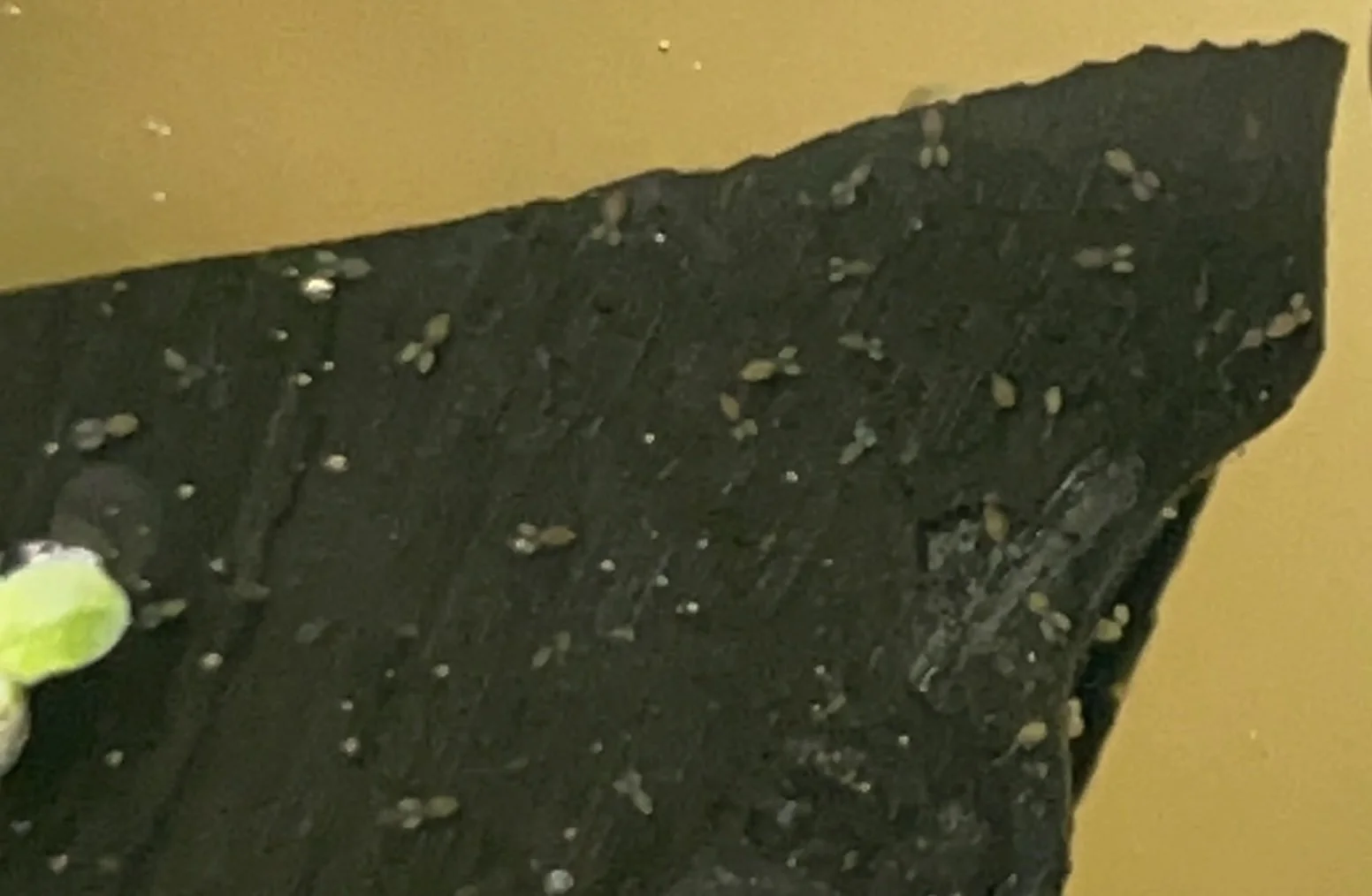
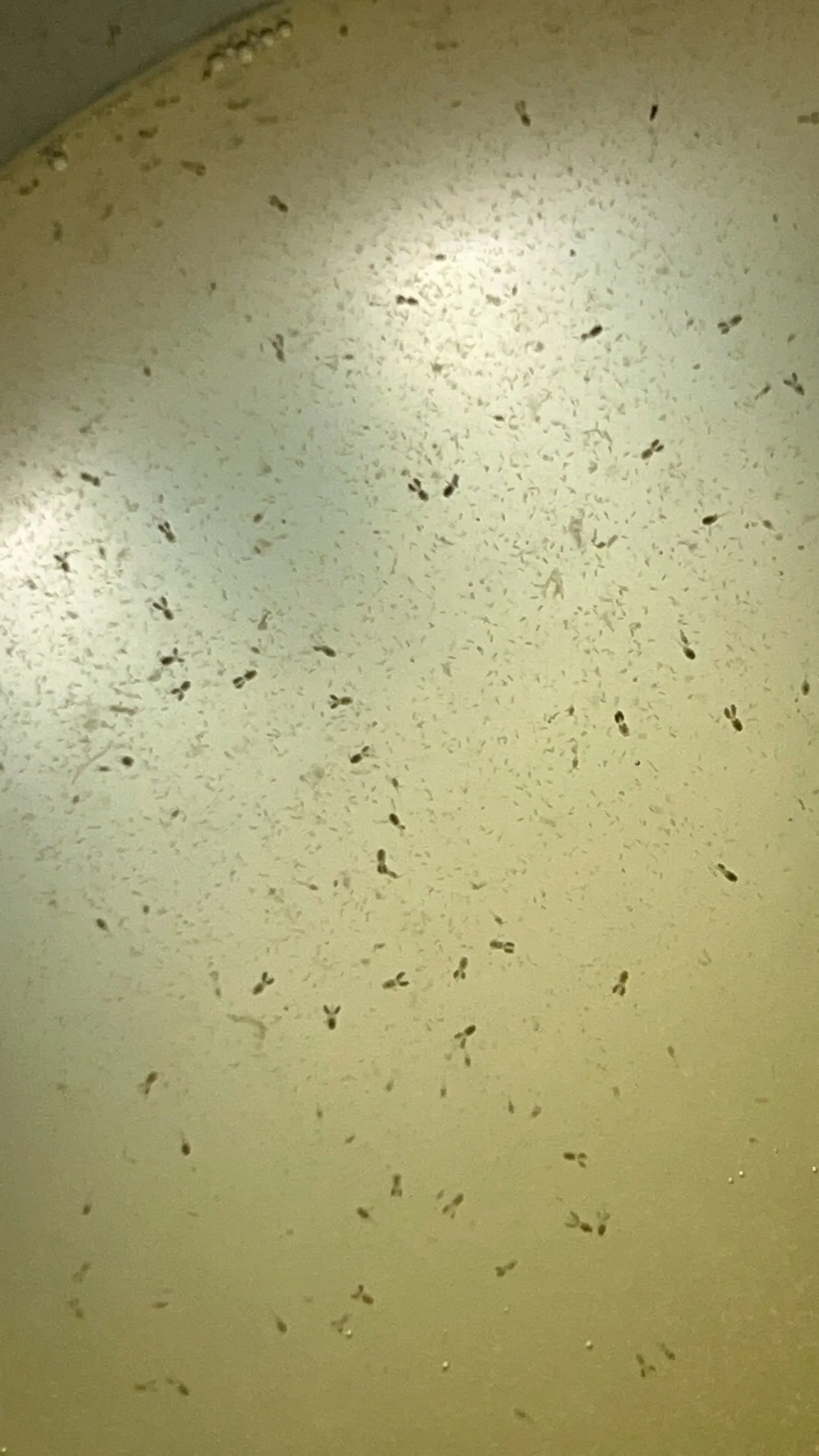
Freshwater copepods are small, highly active crustaceans that make an outstanding live food for fry, nano fish, and shrimp colonies. Their constant darting motion stimulates natural feeding instincts while providing a protein-rich, nutritious diet that supports rapid fry growth and strong coloration in small fish.
Each order includes a 30 oz culture with +200 live copepods in clean freshwater. Copepods can be fed directly to your aquarium or cultured long-term as a self-sustaining live food source.
Ideal For:
Newly hatched fry (bettas, tetras, killifish, rainbowfish)
Nano fish such as chili rasboras, CPDs, endlers
Freshwater shrimp tanks
Outdoor tubs or natural-style aquariums
Breeders seeking sustainable micro live food
Care Information:
Basic Setup
Container: Jar, tub, or aquarium (1–5 gallons recommended)
Water Parameters: Freshwater, pH 6.8–8.0, temperature 65–78°F (18–25°C)
Filtration: Low current preferred; active sponge filters work, but copepods thrive in simple non-filtered setups as well
Light: Low to moderate; indirect sunlight helps encourage greenwater and biofilm
Special Notes
A piece of wood in the tank or container is highly recommended—copepods will inhabit it and graze on biofilm.
Cycled tanks or containers are best; copepods flourish in mature water with established microorganisms.
Avoid housing them with snails, as snails will consume food resources and starve the copepods.
Gentle aeration is best; a slow bubble rate is much more effective than a strong “boiling” current.
If you have leaves from other tanks (already cycled), add them-they provide surfaces, biofilm, and natural food.
Feeding
Greenwater (algae culture)
Spirulina powder (very small amounts)
Yeast slurry (light dose, avoid overfeeding)
Infusoria-rich water from cycled tanks
Harvesting
Collect with a pipette, turkey baster, or fine mesh net
Rinse in aquarium water before feeding fry tanks
Cultures can be split regularly to maintain high yields