
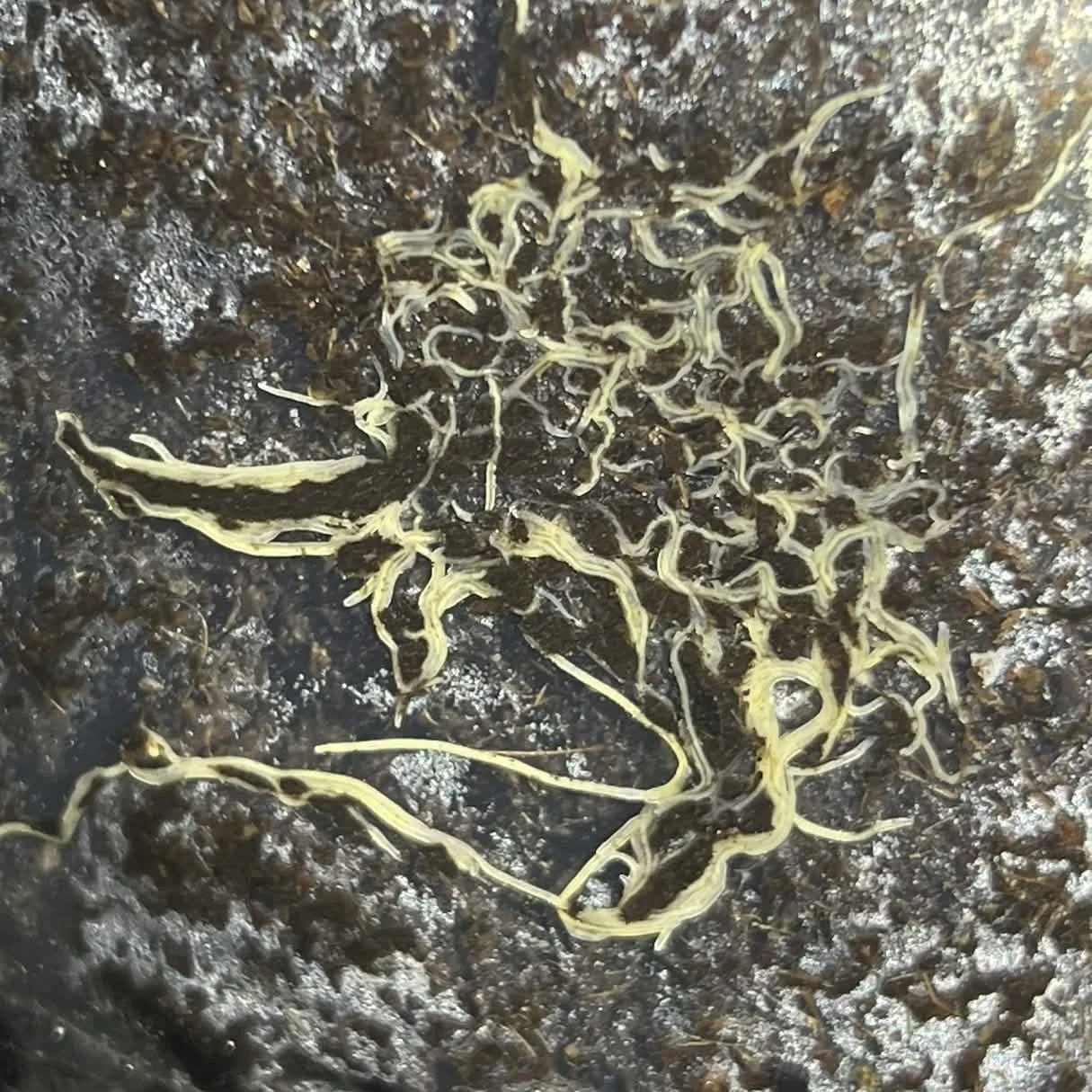
COMING SOON - White Worms in Coconut Coir - 16 oz Live Culture
White worms (Enchytraeus albidus) are considerably larger, typically reaching 20–35 mm (3/4–1½ inches) in length and 1–2 mm thick. Their larger size, high protein, and fat content make them excellent for promoting growth, conditioning fish for breeding, and promoting vibrant colors. Their active movement encourages even picky fish to feed enthusiastically.
This is a 16 oz actively producing culture established in coconut coir, providing a clean, moisture-retentive environment that supports healthy worm production. White worms are easy to maintain and can provide a continuous supply of nutritious live food with proper care.
Ideal For:
Adult bettas
Angelfish and discus
Gouramis
Cichlids
Larger tetras and barbs
Corydoras and loaches
Conditioning breeding fish
Care Instructions:
Culture Conditions:
Medium: Coconut coir
Temperature: 50–68°F (10–20°C)
Cooler temperatures produce the most worms
Store away from direct sunlight
Keep media consistently moist but never soggy
Feeding:
Feed small portions of:
Plain oatmeal (organic)
Whole grain bread (organic)
Fish flakes
Dry cat or dog kibble (Freeze for at least 48 hrs to kill mites and mite eggs)
Baby oat cereal (organic)
Remove old food before adding more.
Harvesting:
Worms concentrate beneath the food source.
Collect with a plastic scraper, paintbrush, or cotton swab.
Rinse before feeding to your aquarium.
Maintenance:
Mist the coir when it begins to dry.
Avoid excessive moisture to prevent mold.
Split the culture every few months to maintain peak productivity.
How to prevent infestations:
Flies and mites are the biggest threat to healthy worm cultures. These tiny pests are attracted to moist media and fish food, where they lay eggs that quickly develop into larvae. The larvae compete with your worms for food and can eventually overwhelm or destroy a culture if left unchecked.
Cover your culture with fine mesh (400 micron mesh works well), breathable fabric, or a tightly woven screen to allow airflow while keeping adult flies out.
When feeding dog or cat kibble- store food in the freezer, freeze for at least 48 hrs to kill mites and mite eggs before feeding to your worms.
Keep the culture container closed with a ventilated lid covered by fine mesh.
Feed only small amounts and remove uneaten food before it begins to mold.
Avoid leaving the culture open for extended periods during feeding or harvesting.
If you notice adult phorid flies or larvae, immediately start a fresh culture using a small number of rinsed healthy worms before the infestation spreads.
Grindal Worms VS White Worms?
Grindal Worms: 10–15 mm (3/8–5/8 inch) in length and about 0.3–0.5 mm thick. Best for transitioning juvenile fish to larger foods, nano fish, livebearers, killifish, bettas, rasboras, tetras, and other small species.
White Worms: 20–35 mm (3/4–1½ inches) in length and 1–2 mm thick. Best for adult angelfish, discus, larger cichlids, gouramis, larger bettas, loaches, and conditioning breeding fish.
White worms (Enchytraeus albidus) are considerably larger, typically reaching 20–35 mm (3/4–1½ inches) in length and 1–2 mm thick. Their larger size, high protein, and fat content make them excellent for promoting growth, conditioning fish for breeding, and promoting vibrant colors. Their active movement encourages even picky fish to feed enthusiastically.
This is a 16 oz actively producing culture established in coconut coir, providing a clean, moisture-retentive environment that supports healthy worm production. White worms are easy to maintain and can provide a continuous supply of nutritious live food with proper care.
Ideal For:
Adult bettas
Angelfish and discus
Gouramis
Cichlids
Larger tetras and barbs
Corydoras and loaches
Conditioning breeding fish
Care Instructions:
Culture Conditions:
Medium: Coconut coir
Temperature: 50–68°F (10–20°C)
Cooler temperatures produce the most worms
Store away from direct sunlight
Keep media consistently moist but never soggy
Feeding:
Feed small portions of:
Plain oatmeal (organic)
Whole grain bread (organic)
Fish flakes
Dry cat or dog kibble (Freeze for at least 48 hrs to kill mites and mite eggs)
Baby oat cereal (organic)
Remove old food before adding more.
Harvesting:
Worms concentrate beneath the food source.
Collect with a plastic scraper, paintbrush, or cotton swab.
Rinse before feeding to your aquarium.
Maintenance:
Mist the coir when it begins to dry.
Avoid excessive moisture to prevent mold.
Split the culture every few months to maintain peak productivity.
How to prevent infestations:
Flies and mites are the biggest threat to healthy worm cultures. These tiny pests are attracted to moist media and fish food, where they lay eggs that quickly develop into larvae. The larvae compete with your worms for food and can eventually overwhelm or destroy a culture if left unchecked.
Cover your culture with fine mesh (400 micron mesh works well), breathable fabric, or a tightly woven screen to allow airflow while keeping adult flies out.
When feeding dog or cat kibble- store food in the freezer, freeze for at least 48 hrs to kill mites and mite eggs before feeding to your worms.
Keep the culture container closed with a ventilated lid covered by fine mesh.
Feed only small amounts and remove uneaten food before it begins to mold.
Avoid leaving the culture open for extended periods during feeding or harvesting.
If you notice adult phorid flies or larvae, immediately start a fresh culture using a small number of rinsed healthy worms before the infestation spreads.
Grindal Worms VS White Worms?
Grindal Worms: 10–15 mm (3/8–5/8 inch) in length and about 0.3–0.5 mm thick. Best for transitioning juvenile fish to larger foods, nano fish, livebearers, killifish, bettas, rasboras, tetras, and other small species.
White Worms: 20–35 mm (3/4–1½ inches) in length and 1–2 mm thick. Best for adult angelfish, discus, larger cichlids, gouramis, larger bettas, loaches, and conditioning breeding fish.